Flonkso is an independent directory. We may earn a commission when you click through.
Dog Adoption in Britain: Which Rescue Model Fits?
Compare 10 UK dog adoption routes by matching, location, specialist care and follow-up support before booking a meet-and-greet.
Quick Picks
Best overall: Battersea Dogs & Cats Home for London adopters who want structured matching and post-adoption support.
Best for specialist experience: Many Tears Animal Rescue for experienced households prepared for ex-breeding dogs.
Best search starting point: Dogsblog because it gathers listings from hundreds of UK rescues, although the actual adoption continues with the individual charity.
Dog adoption is not a single service. A busy city shelter, a foster network and an international rescue ask different questions about household fit, travel and care. The listings below are a comparison guide, not an adoption promise: each named shelter or rescue makes its own final decision.
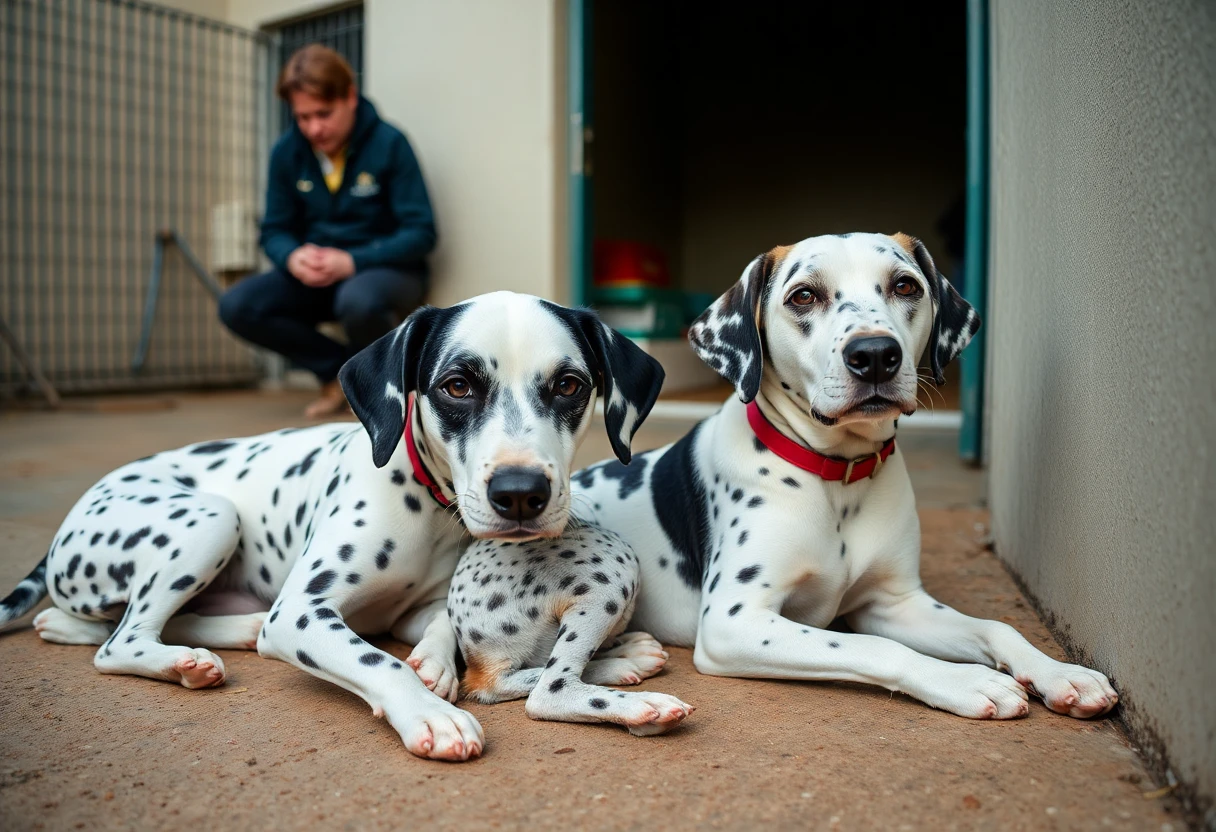
Structured matching and specialist rehabilitation
The first split is between organisations built around formal assessment and those handling dogs with a more specific history. Battersea and Many Tears both require patience, but the type of patience differs: one is a large, professionally managed rehoming service; the other is known for dogs who may arrive timid, unsocialised or affected by commercial breeding.
Battersea has the strongest all-round structure in this comparison: more than 160 years of rescue work, behaviour assessment, pre-adoption matching and a post-adoption support line. Its 4.4-star rating from 2,770 Google reviews adds useful public evidence, though it is not a guarantee of an easy placement. Popular breeds may involve waiting, and the London setting is less useful for adopters who want a rural first meeting. Best for a London household that can complete a detailed application and accept that the shelter, not the adopter, decides the match.
Many Tears is a different proposition from Battersea. Its foster network across Wales and focus on ex-breeding and former puppy-farm dogs mean the central question is often rehabilitation, not simply breed or appearance. Regular updates and post-adoption support help, but specialist dogs may need owners with experience, time and a quiet household. Rural travel is another practical hurdle. Choose this route if you understand that a dog may need weeks of gradual exposure before ordinary household behaviour becomes visible.
The useful insight here is that a shelter’s reputation does not tell you the dog’s energy level or readiness for a busy home. Ask for the temperament scale used by the organisation, what happens when the dog is left alone, and whether the behaviour was observed in a foster home or only in kennels. Many Tears may suit a highly prepared adopter better than a famous city shelter, while Battersea may be the safer starting point for someone new to rescue.
Travel also changes the calculation. A long journey for a specialist dog can be sensible, but only after the rescue explains the dog’s care basics and return policy in writing.
That first group focuses on matching depth and behavioural context. The next group covers established regional shelters, where local access and aftercare can matter more than national profile.
Regional shelters with local access
Location is not a minor detail. Meet-and-greets, home checks, follow-up visits and collection logistics are easier when the shelter is within practical driving distance. These organisations also differ sharply in scale: some offer broad animal services, while others are dogs-only and can move well-socialised dogs through the system faster.
Holly Hedge combines a verified no-kill policy with a 15-acre rural setting and a 4.6-star Google rating from 470 reviews. That setting may give adopters more room to observe a dog away from a cramped urban environment, but it is south of Bristol with limited public transport. The organisation also covers fostering and veterinary services, which matters if you are considering support beyond the initial adoption. Best for Bristol-area adopters with transport who value a sanctuary model and can attend in person.
Edinburgh Dog and Cat Home brings more than 140 years of local welfare work and a 4.6-star rating from 874 Google reviews. Unlike a dog-only centre, it handles both dogs and cats, so it may suit households comparing species or managing an existing cat. The limitation is geographic: there is one Edinburgh location, and demand for desirable breeds can be high. Best for residents of Edinburgh and the Lothians who want an established local charity rather than a national directory.
Manchester and Cheshire Dogs’ Home is the clearest dogs-only choice in the regional group. Its behavioural assessment programme, large Greater Manchester operation and low-cost microchipping and neutering services give it a practical, service-led profile. The website states that viewing is available Wednesday to Sunday from 1pm to 4pm, so timing matters, especially at busy periods. Compared with Edinburgh Dog and Cat Home, it offers a narrower species focus but a more direct dog-adoption route. Best for North West households able to book around fixed viewing hours.
RSPCA Leeds and Wakefield gives West Yorkshire adopters a familiar network name and visiting hours on most days, but the practical details are less forgiving than the brand suggests. The branch is closed Mondays and Wednesdays, visits end at 3:30pm, and no public phone number is listed in the supplied information. That does not make it unsuitable; it means you should confirm availability online before travelling. Best for local adopters who can work around the visiting schedule and want an RSPCA-backed branch.
Holly Hedge deserves a second look if your household can manage a rural visit and wants more than a quick kennel viewing. Its no-kill policy, veterinary services and foster work point to a broader care model than a listing page alone reveals. The limitation remains access: a 15-acre site south of Bristol is useful for space, not convenience. Confirm the current adoption steps and whether the dog is in a foster home before arranging travel.
Regional access can make the first weeks easier, but it should never replace questions about separation behaviour, lead manners, prey drive and household history. Ask the shelter directly; adoption fees, home checks and timelines are set by them and can change.
There is also a practical distinction between a high-volume centre and a smaller sanctuary. The former may have more dogs and faster turnover, while the latter may give a narrower but more detailed picture of each animal. Neither model guarantees a better outcome.
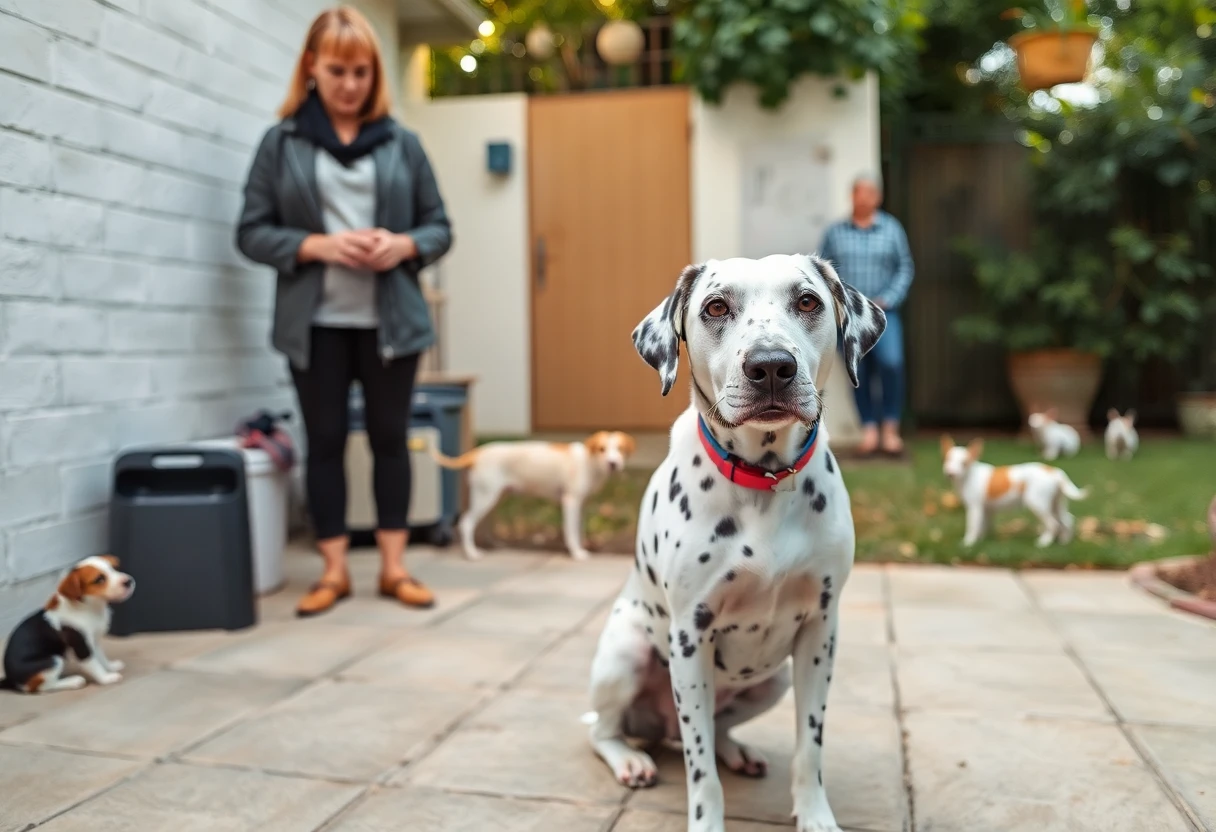
Local shelters are the practical route for many households, but two listings here work differently: one connects adopters with dogs across borders, and the other is primarily a veterinary charity. They belong in a separate decision group because availability and eligibility are less predictable.
Special cases: international rescue and veterinary care
These services require extra verification. Ask where the dog is currently living, what health checks were completed, which organisation holds legal responsibility and what happens if the placement fails.
Nowzad is not a typical walk-in rescue centre. Its central mission is rescuing animals from Afghanistan, and dogs arriving in the UK are described as fully health-checked, but international logistics mean fewer domestic listings and longer waits. This is a poor route for someone needing a dog quickly or wanting to browse a local kennel. It may suit a patient adopter who accepts a more complex background and is prepared to follow the charity’s process closely.
PDSA should not be treated as a conventional adoption directory. It is primarily a veterinary charity with 48 Pet Hospitals and free or low-cost treatment for eligible owners, while only a limited number of animals come into its rehoming pathway. Its strength is health-focused care, not a large catalogue of dogs. Best for an adopter who values veterinary welfare and has confirmed that a suitable dog is actually available through the relevant PDSA route.
The key warning is simple: “health-checked” does not mean every future medical cost is known, and a veterinary charity is not automatically the right place to search for an available dog. Verify the named rescue, current location, medical records and adoption agreement before paying anything.
For official details, start with the Battersea rehoming information, the Many Tears Animal Rescue website and the Nowzad charity site. A genuine rescue will not demand a deposit by gift card, wire transfer or cryptocurrency before a meet-and-greet. Treat unverified social-media sellers and pressure to pay immediately as a scam alert.
One directory, many rescues
Dogsblog is useful before you choose a shelter, not instead of one. It aggregates dogs from hundreds of UK charities and lets you search by breed, size and location, which is faster than opening dozens of rescue websites. The weakness is freshness: listings may not always be up to date, and Dogsblog does not run the adoption process.
Dogsblog earns its place as the broadest search tool here, not as a shelter. It is free for adopters and rescues, helps smaller charities gain visibility and can reveal dogs outside your immediate area. The moment you find a candidate, move to the individual rescue’s website and confirm that the dog is still available, then follow that organisation’s application, home-check and meet-and-greet steps. Best for a careful researcher who has not yet decided which rescue model or region fits.
Use the directory to build a shortlist, then judge each dog by energy level, care basics and household fit rather than by a photograph. A calm adult dog may suit a first-time owner better than a puppy, and a bonded pair should never be separated without clear guidance from the rescue.
Recommendations by adopter type
First-time owner in London: Start with Battersea because its matching and post-adoption support are more structured than a directory-led search.
Experienced adopter with a quiet home: Many Tears deserves attention, particularly if you can handle the gradual socialisation often associated with ex-breeding dogs.
Bristol-area household with transport: Holly Hedge offers a no-kill sanctuary setting, but confirm the current process before driving south of Bristol.
North West dog adopter: Manchester and Cheshire Dogs’ Home is the most focused local route, provided the Wednesday-to-Sunday viewing schedule works.
Edinburgh household wanting local support: Edinburgh Dog and Cat Home combines long experience with dog and cat rehoming, though popular dogs may move quickly.
West Yorkshire adopter: RSPCA Leeds and Wakefield is worth checking for current listings, but verify opening days and visiting times first.
Adopter open to an international rescue: Nowzad requires patience and careful questions about logistics, history and aftercare.
Researcher comparing many regions: Dogsblog is the fastest starting point, but the individual rescue always controls the adoption.
Before any application, prepare landlord approval if you rent, check your working hours, plan the first quiet week and ask for the dog’s behaviour in a foster home where possible. Adoption fees, home checks and timelines belong to the named shelter, so confirm every detail with them directly.
For a deeper field note on London’s most structured route, read Battersea Rehoming: Expert Matching, London-Sized Limits before arranging a Battersea meet-and-greet.